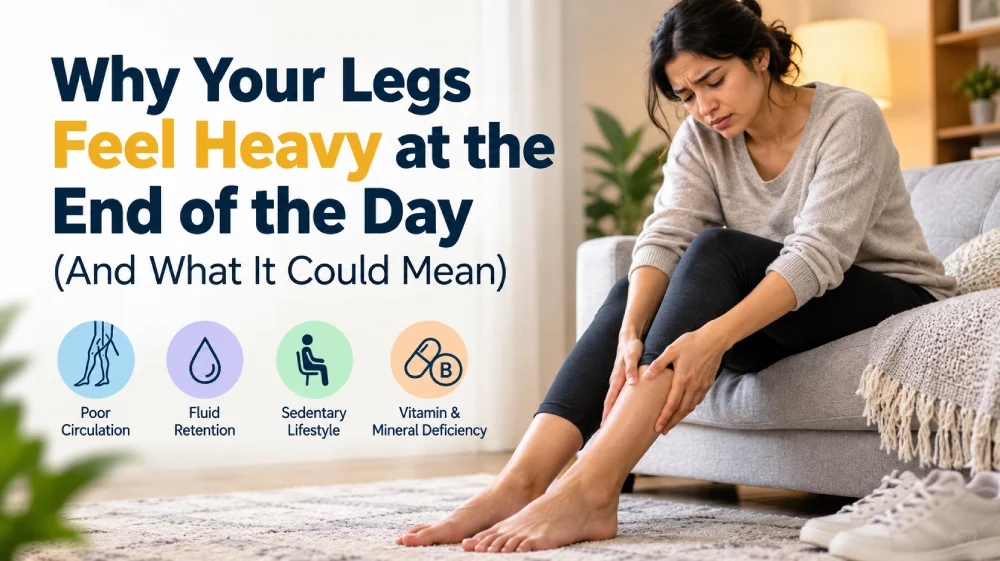
If you experience heavy, stiff, and tired legs at the end of the day, there might be many potential reasons ranging from normal to severe. The first thing that you must do is determine its cause. Your lower legs contain a system of blood vessels that depends on the calf muscles and special valves to help push blood upward against gravity. When you use your calf muscles, they squeeze the veins and help move blood back to the heart, while the valves prevent the blood from flowing backward.
When this process is interrupted, blood can pool in your lower legs, leading to heaviness and fatigue. If you experience an occasional sluggish feeling, it may be due to a long commute or demanding day on your feet. However, if you are constantly experiencing heaviness, it may indicate an early indicator of CVI (Chronic Venous Insufficiency) or varicose veins. Read on to learn more about the possible heavy leg causes.
1. Varicose Veins
Varicose veins happen when the one-way valves inside your leg veins weaken or become damaged. Instead of pumping blood effectively towards the heart against gravity, the blood flows back and pools in the veins. This congestion increases pressure and causes the veins to bulge, twist, and enlarge near the skin’s surface. As a result, your leg feels heavy, achy, and tired, especially after prolonged standing or sitting. The symptoms of varicose veins appear as you age, during pregnancy, and with obesity. Early management, such as maintaining mobility, exercising the calf muscles, and wearing compression stockings, can help alleviate symptoms and slow the progression of the condition.
2. Peripheral Artery Disease (PAD)
PAD (Peripheral Artery Disease) is a common yet serious cardiovascular disease characterized by the narrowing of peripheral arteries due to the buildup of fatty plaque. The fatty plaque buildup inside the arteries narrows them and alters blood flow. This blockage limits the flow of oxygen-rich blood to your limbs. During physical activity like walking, the muscles require more oxygen than the narrowed arteries can deliver, resulting in cramping, fatigue, and pain. These symptoms typically resolve after some rest. However, if left unmanaged, the condition progresses and causes severe complications, including poor wound healing and critical limb ischemia. Risk factors include smoking, diabetes, high blood pressure, and high cholesterol.
3. Overtraining Syndrome (OTS)
Overtraining Syndrome (OTS) is a chronic physiological and psychological state that develops over weeks or months. It happens when an individual overexercises without allowing their body to recover and refuel adequately. This relentless strain breaks down your muscles and nervous system. Consequently, affected athletes often experience heavy legs, joint or muscle pain, an elevated resting heart rate, and a significant drop in physical performance. The body becomes chronically inflamed, hampering typical muscle repair. Overcoming OST requires a structured reduction in training volume, increased rest, and improved nutritional intake to allow the body to heal completely.
4. Lymphedema
Lymphedema is a chronic condition characterized by the abnormal buildup of lymph fluid in the body’s soft tissues, most commonly the arms and legs. This swelling and accompanying feeling of heaviness occurs when the lymphatic system is damaged, blocked, or unable to drain fluid properly. Causes are categorized as primary (congenital issues) or secondary (acquired damage). Secondary lymphedema often develops following cancer treatments like lymph node removal or radiation, severe trauma, or recurring infection. The increased fluid volume causes the affected limb to feel remarkably full, tight, and heavy. Management requires lifelong care, including compression garments, specialized massage (manual lymphatic drainage), and meticulous skin care to prevent infection.
5. Muscle Fatigue and Dehydration
General leg fatigue often arises from prolonged periods of standing, strenuous physical activity, or maintaining a static posture during a long commute. When your muscles are fatigued, they don’t circulate blood efficiently, leading to poor circulation. When you are active, your muscles accumulate metabolic waste products like lactic acid; if combined with inadequate hydration and electrolyte levels, this can lead to blood pooling, making your leg muscles prone to cramping and stiffness and leaving you feeling heavy and sluggish at the end of the day.
6. Chronic Venous Insufficiency (CVI)
Chronic venous insufficiency (CVI) is a progressive vein health condition in which the valves in the deep leg veins are damaged or fail to function properly. This inefficiency causes gravity to pull blood downward, resulting in venous reflux and pooled blood in the lower extremities. The resulting increase in venous pressure forces fluid into the surrounding tissues, leading to chronic leg heaviness, swollen legs, skin changes, and painful cramps. If left unmanaged, CVI can eventually lead to the development of varicose veins.
7. Nutrient Deficiencies
Certain nutritional deficiencies can directly impact muscle function and create circulation problems, resulting in a feeling of heaviness in the legs. A lack of nutrients such as potassium, magnesium, and iron can trigger muscle weakness, poor circulation, and severe cramps. Additionally, deficiencies in essential nutrients like iron (which can cause anemia) can limit your blood’s ability to deliver oxygen to your leg muscles, resulting in fatigue. Without these vital nutrients, the muscles in your lower legs cannot function efficiently against gravity, which can increase the sensation of sluggishness.
End Note
Heavy legs can be a symptom of some serious condition, especially if you are experiencing it persistently. It is often caused by poor circulation and conditions like CVI (chronic venous insufficiency). Monitoring your symptoms is important, as they may indicate early signs of issues like varicose veins or blood clots. It is important to see a doctor and determine what is causing your legs to feel heavy and develop a treatment plan. Doctors frequently suggest wearing graduated compression socks or stockings. They apply gentle pressure to support healthy blood flow and reduce pooling. Once you identify the cause of heavy legs, your doctor will be able to develop a treatment plan to help you manage the pain and symptoms.