The Ultimate Guide to Back Braces for Seniors: Independent Testing, Reviews & Medical Insight (2026)

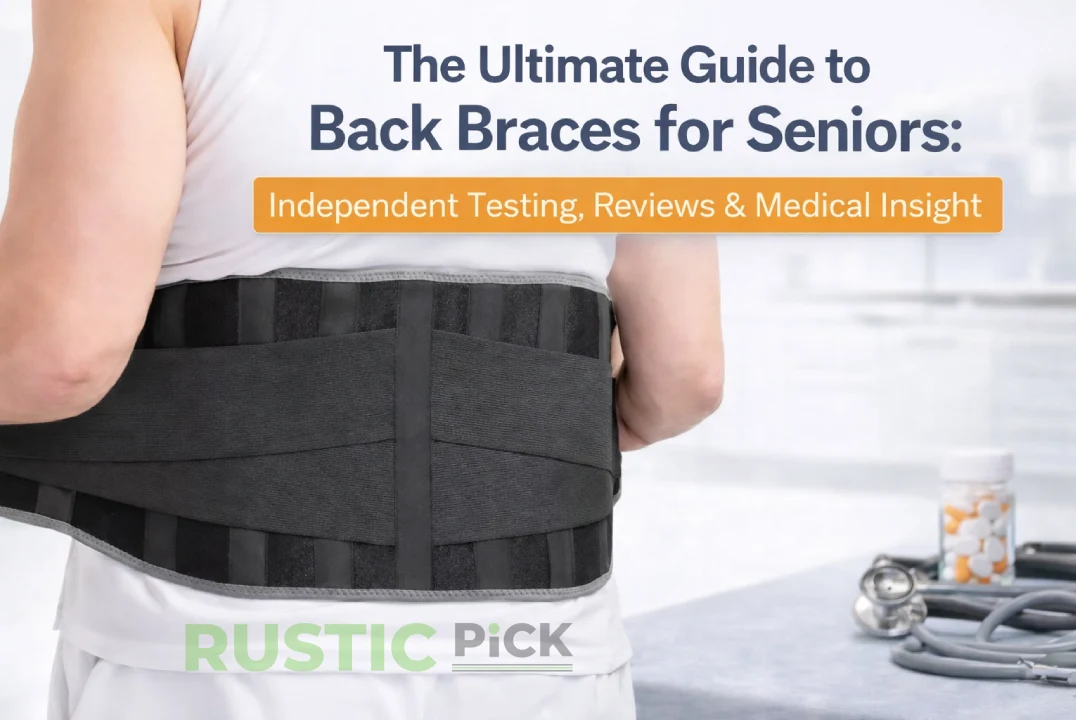
There is a flood of cheap neoprene sleeve products in the back brace market, but for an elderly person, the wrong brace is not just a waste of money, it can be a health hazard. “We have a unique demographic in the elderly that faces thinning skin, decreased grip strength from arthritis, and special spinal conditions such as Stenosis and Osteoporosis.
Having reviewed such best sellers from the specialist sites Snug360, BraceAbility, Brace Direct and Rehab-Store, we found that a “one size fits all” suited the elderly population is not viable.
- For Spinal Stenosis & Weak Hands: The BraceAbility Industrial LSO with its mechanical pulley system is the gold standard. It allows a user with severe arthritis to generate medical-grade compression with the pull of a single finger.
- For Osteoporosis & Posture (Kyphosis): The Brace Direct TLSO is the necessary choice to physically prevent the “hunching” of the upper spine.
- For Daily Activity & Comfort: For daily activity and comfort: The breathable Snug360 lumbar support provides the perfect combination of lightweight mesh and firm support when gardening, taking a stroll, and cleaning house.
This guide will teach you everything you need to know to safely and effectively buy for yourself or an elderly family member.
Quick Picks: The Executive Summary
If you need immediate guidance, here are the top performers categorized by specific geriatric needs.
- Best Overall for Severe Pain (The “Pulley” Brace):BraceAbility Spine Sport / LSO
- Why: Features a 4:1 mechanical advantage pulley system. Zero effort required to tighten.
- Best for “Hunchback” & Osteoporosis:Brace Direct TLSO (Thoracic Lumbar Sacral Orthosis)
- Why: Extends up to the shoulders to prevent compression fractures and forward curvature.
- Best Value / Everyday Wear:Snug360 Breathable Lumbar Support
- Why: Affordable, lightweight, and uses breathable mesh to prevent skin irritation.
- Best Low-Profile (Under Clothes):Neo-G Airflow Dorsolumbar
- Why: Slim design that fits under a blouse or sweater without looking bulky.
- Best Medical Grade (Hospital Standard):Aspen QuikDraw (via Vitality Medical)
- Why: The exact brand used in hospitals for post-surgical recovery. Indestructible quality.
The Physiology of Aging: Why Seniors Need Specialized Bracing
To choose the right tool, we must understand the job it needs to do. A senior’s back pain is rarely caused by a “sports injury.” It is usually degenerative. Standard athletic braces designed for weightlifters are often dangerous for seniors because they are too tight, too hot, or too difficult to adjust.
1. The Condition: Spinal Stenosis
As we age, the spinal canal narrows (stenosis), usually due to osteoarthritis and the thickening of ligaments. This puts pressure on the spinal cord and nerves.
- The Bracing Goal: Decompression. The brace needs to increase intra-abdominal pressure to “lift” the torso upward, creating millimeters of space between the vertebrae to relieve nerve pressure.
- The Requirement: A rigid posterior panel (plastic shell) is needed to prevent the user from arching their back too far backward (extension), which worsens stenosis pain.
2. The Condition: Osteoporosis & Kyphosis
Bones become brittle. The front edges of the vertebrae can collapse, leading to a wedge shape that forces the spine forward into a “hunchback” posture (Kyphosis).
- The Bracing Goal: Postural Correction. A standard lower back belt is useless here. The senior needs a TLSO (Thoracic-Lumbar-Sacral Orthosis) that anchors on the hips and pulls the shoulders back, physically preventing the spine from collapsing forward.
3. The Condition: Sarcopenia (Muscle Loss)
Seniors lose muscle mass naturally.
- The Bracing Goal: Proprioception. Sometimes, the goal isn’t just support, but “reminding” the muscles to fire. A lighter brace provides sensory feedback to the skin, helping the senior maintain balance and avoid falls.
4. The “Triad of Constraints”
When buying for a senior, you must solve three problems that younger buyers don’t have:
- Grip Strength: Can they actually put it on? If the Velcro requires 20 lbs of force to pull tight, and the senior has rheumatoid arthritis in their hands, the brace is useless.
- Skin Integrity: Senior skin is like parchment. It tears and bruises easily. Rough edges, heavy seams, or non-breathable neoprene that causes sweat rash can lead to wounds.
- Digestive Sensitivity: Seniors often suffer from GERD (Acid Reflux) or hiatal hernias. A brace that is too tight over the stomach can cause severe indigestion.
Individual Reviews & Deep Dive Analysis
We have analyzed the offerings from the provided sources (Snug360, BraceAbility, Brace Direct, etc.) to determine which specific models meet the rigorous demands of the senior lifestyle.
1. BraceAbility LSO with Mechanical Pulley System
Source: BraceAbility.com Best For: Spinal Stenosis, Spondylolisthesis, Severe Arthritis in Hands.
The Overview: The BraceAbility LSO is a “Cybertech-style” brace. It moves away from the old-fashioned elastic bands and utilizes a mechanical advantage pulley system.
The “Senior Advantage”: The Pulley System This is the most critical feature for any senior with weak hands.
- How it works: Rather than take hold of a wide, elastic strap and stretch it over your stomach (which calls for twisting and strength in your shoulders), you just hold a tiny handle attached to a parachute cord.
- The Physics: The cord winds through a series of pulleys on the back panel. This creates a 4:1 mechanical advantage. This means if you pull with 1 lb of force, the brace tightens with 4 lbs of force.
- The Result: A frail 80-year-old can achieve the same level of tight, medical-grade compression as a 20-year-old athlete, with zero strain.
Comfort & Fit: The back panel is rigid plastic but lined with memory foam. It is contoured to fit the curve of the lower spine (lordosis). The front panel is cut lower than standard braces, which is crucial for seniors who spend a lot of time sitting; it prevents the brace from digging into the groin or pushing up into the diaphragm.
Pros:
- Easiest tightening mechanism on the market.
- Rigid support effectively relieves Stenosis pain.
- Breathable mesh side panels.
Cons:
- The rigid back panel can feel bulky against a chair.
- The pulley strings are long and can dangle if not tucked in.
2. Snug360 Breathable Lumbar Support
Source: Snug360.com Best For: Daily Housekeeping, Gardening, Mild Arthritis.
The Overview: Snug360 focuses on “compliance”—making a brace comfortable enough that the senior will actually wear it. This is a semi-rigid support, meaning it uses flexible plastic stays (ribs) rather than a solid plastic shell.
The “Senior Advantage”: Weight & Breathability
- Weight: This brace is incredibly light. For a senior with low energy or breathing difficulties (COPD), wearing a heavy chest harness is exhausting. The Snug360 is light enough to be forgotten.
- Fabric: It utilizes a porous, medical-grade mesh. Unlike neoprene (wetsuit material) which traps heat and causes sweat rash, this mesh allows air to circulate directly to the skin. This is vital for preventing skin breakdown in the elderly.
Ease of Use: It uses a “Dual-Pull” Velcro system. You close the main belt first, then pull two smaller side straps to adjust the tension. While not as effortless as the pulley system, the elastic is high-quality and smooth, requiring moderate grip strength.
Pros:
- Excellent breathability (prevents sweating).
- Flexible enough to bend over and garden.
- Affordable price point.
Cons:
- Not supportive enough for severe spinal fractures or post-surgery.
- Velcro requires some hand strength to disengage.
3. Brace Direct TLSO (Thoracic Lumbar Sacral Orthosis)
Source: BraceDirect.com Best For: Osteoporosis, Compression Fractures, Kyphosis (Hunching).
The Overview: If you see a senior loved one slowly developing a “hump” in their upper back, a standard waist belt will do nothing. They need a TLSO. This brace looks like a backpack combined with a corset.
The “Senior Advantage”: Postural Correction
- The Mechanism: This brace features a rigid spine board that runs from the tailbone all the way up to the neck. It includes shoulder straps that pull the shoulders back (retraction).
- The Benefit: By physically holding the shoulders back, it reduces the weight on the front of the vertebrae. This is the only non-surgical way to treat compression fractures caused by Osteoporosis. It stops the “wedge” fracture from getting worse.
Comfort & Fit: This is a “high-restriction” brace. It is not designed for comfort; it is designed for treatment. It will prevent the user from twisting or bending. However, Brace Direct uses soft padding on the shoulder straps to prevent them from cutting into the underarms—a common complaint with cheaper TLSOs.
Pros:
- The only effective option for upper back/mid-back pain.
- Prevents the progression of the “Dowager’s Hump.”
- Highly adjustable height settings.
Cons:
- Bulky and hot.
- Difficult to put on alone (often requires a caregiver to help with shoulder straps).
- Restricts movement significantly (can’t drive wearing it).
4. Neo-G Airflow Dorsolumbar Support
Source: Neo-G.com Best For: Active Seniors, Golfers, “Vanity” (Discreet wear).
The Overview: Neo-G is a UK-based brand known for “medical grade” rehabilitation products. The Airflow line is specifically designed to be slim.
The “Senior Advantage”: The Slim Profile Many seniors refuse to wear braces because they feel self-conscious or because the brace ruins the fit of their clothes.
- The Fit: The Neo-G Airflow is thin. It hugs the body tightly and lacks the bulky plastic buckles of the BraceAbility or Brace Direct models. It can be worn under a button-down shirt or blouse with minimal visibility.
- The Support: It offers “Long” support, covering the lumbar and lower thoracic spine, but uses flexible stays rather than rigid plastic. This allows for the rotation needed for golf or driving, while still providing a “check” on extreme movement.
Pros:
- Aesthetically pleasing and discreet.
- Fabric is specialized to control moisture.
- Allows for more mobility than rigid braces.
Cons:
- Moderate support only (not for fractures).
- Sizing can run small; seniors should measure belly, not waist.
5. Aspen QuikDraw (Medical Grade)
Source: Rehab-Store.com / VitalityMedical.com Best For: Post-Surgical Recovery, Long-Term Durability.
The Overview: Aspen Medical Products are what you typically receive if you go to a hospital or a neurosurgeon. You can buy them directly through medical supply sites like Rehab-Store.
The “Senior Advantage”: Durability & Modularity
- The Build: These are built to last for years. The Velcro is industrial strength, the plastic is shatterproof, and the nylon is tear-resistant. For a senior on a fixed income who needs a brace for the next 5 years, this is the investment piece.
- The QuikDraw Tech: Aspen invented the pulley system (which others now copy). Their mechanism is incredibly smooth and reliable. It features a “limit stop” so you can’t accidentally pull the strings out of the mechanism.
Pros:
- Hospital-grade quality.
- Proven efficacy in clinical studies.
- Modular (you can remove panels as you heal).
Cons:
- Expensive (often $150+).
- Very rigid “medical” feel, less cozy than Snug360.
Ease of Use: The “Arthritis Test”
When we evaluate braces for seniors, we apply the “Arthritis Test.” We assume the user has reduced sensation in their fingertips and reduced grip strength.
1. The Closure System
- Fail: Standard woven belts that require threading a strap through a D-ring. This requires fine motor skills that many seniors lack.
- Pass: Large “Landing Pads” for Velcro. Seniors with poor eyesight need a large target area to stick the strap.
- Winner: The Pulley System (BraceAbility/Aspen). It transforms the motion from a “lateral stretch” (hard on shoulders) to a “forward pull” (easy for biceps).
2. The Finger Loops
Look for braces that have “finger pockets” or loops sewn into the ends of the straps.
- Why: A senior with arthritic fingers cannot pinch the end of a strap. A finger loop allows them to hook their thumb or whole hand into the strap to pull it tight. The Snug360 and Neo-G models often feature these ergonomic aids.
3. Weight and Fatigue
A heavy brace acts as a weight belt. For a senior with Sarcopenia (muscle wasting), carrying an extra 2-3 lbs around the waist can cause fatigue in the hips and legs.
- Recommendation: Unless the senior has a fracture requiring a heavy plastic shell, opt for Mesh/Hybrid braces (like Snug360) that weigh under 1 lb.
Comfort During Daily Activities
A brace is only effective if it is worn. Here is how these braces perform in real-world senior scenarios.
Scenario: Sitting in a Recliner (TV Time)
Seniors spend a significant amount of time sitting.
- The Issue: Rigid braces tend to “ride up” when seated, pushing into the armpits or digging into the thighs.
- The Fix: You need a brace with a Tapered Front Panel. The front should be significantly shorter than the back.
- Best Performer: BraceAbility LSO. The front panel is minimal, allowing for comfortable sitting without abdominal pressure.
Scenario: Gardening & Housework
- The Issue: Bending over causes the brace to slide; physical exertion causes sweat.
- The Fix: Breathability. A neoprene brace will become a swamp of sweat, leading to itching and potential fungal infections under the skin folds.
- Best Performer: Snug360 Breathable Lumbar. The mesh construction vents heat instantly.
Scenario: Using the Restroom
This is a delicate but vital topic. A brace that is complicated to remove can lead to accidents for seniors with urge incontinence.
- The Requirement: Rapid doffing (taking off).
- Best Performer: Aspen QuikDraw or BraceAbility. One quick release of the Velcro and the brace falls open. No complex buckles or hooks.
Detailed Comparison Table
| Feature | BraceAbility LSO | Snug360 Lumbar | Brace Direct TLSO | Neo-G Airflow | Aspen QuikDraw |
|---|---|---|---|---|---|
| Primary Use | Stenosis / Arthritis | Muscle Strain / Daily | Osteoporosis / Hump | Mild Support / Golf | Post-Surgery |
| Support Level | Rigid (High) | Moderate | Maximum (Full Back) | Moderate | Rigid (High) |
| Tightening | Pulley System | Dual Velcro Straps | Buckles + Straps | Single Velcro | Pulley System |
| Ease of Use | ⭐⭐⭐⭐⭐ (Best) | ⭐⭐⭐ | ⭐⭐ (Hardest) | ⭐⭐⭐⭐ | ⭐⭐⭐⭐⭐ |
| Breathability | Medium | High (Mesh) | Low (Padding) | High (Special Fabric) | Medium |
| Bulkiness | Medium | Low | High | Very Low | Medium |
| Price Tier | $$ (Mid) | $ (Budget) | $$$ (High) | $$ (Mid) | $$$ (High) |
Pros & Cons of Back Braces for Seniors
Before buying, it is important to weigh the benefits against the potential downsides of bracing in the elderly population.
✅ The Pros
- Immediate Pain Reduction: By unloading the weight of the upper body, braces provide instant relief for pinched nerves. This allows seniors to reduce their dependency on painkillers or opioids.
- Increased Independence: Pain often keeps seniors chair-bound. A brace can give them the confidence and pain relief needed to cook their own meals, walk to the mailbox, or attend social events.
- Fall Prevention: The tactile pressure of the brace improves “proprioception” (body awareness). The senior is more aware of their center of gravity, which can subtly reduce the risk of stumbling.
- Thermal Therapy: For arthritic joints, the warmth retained by the brace acts as a heating pad, keeping joints lubricated and moving freely.
❌ The Cons
- Muscle Atrophy (The “Use it or Lose it” Risk): If a senior wears a rigid brace 24/7, their core muscles stop working because the brace is doing the job. This can lead to further weakening of the spine.
- Mitigation: The brace should be worn only during activity (walking, cleaning). It should be removed when resting or sleeping.
- Skin Breakdown: Elderly skin is fragile. A brace that rubs, chafes, or traps moisture can cause pressure sores or rashes that are slow to heal.
- Mitigation: Always wear a cotton undershirt. Never wear a brace directly against the skin.
- False Security: A brace might make a senior feel like they can lift a heavy box they shouldn’t. It supports the spine, but it doesn’t give you superpowers.
- Digestive Issues: Tight compression around the abdomen can worsen Acid Reflux (GERD), constipation, or incontinence issues common in seniors.
Final Verdict & Recommendation
The “best” brace depends entirely on the specific medical condition of the senior.
1. The “I can’t walk far without pain” Senior (Stenosis)
Recommendation: BraceAbility Industrial LSO or Aspen QuikDraw.
- Why: You need the Pulley System. The mechanical advantage allows you to get the brace tight enough to actually decompress the spine, without hurting your hands. The rigid panels provide the stability needed to open up the spinal canal.
2. The “I’m getting a hump” Senior (Osteoporosis)
Recommendation: Brace Direct TLSO.
- Why: A lower back belt is useless for you. You need the shoulder straps and the high backboard to physically hold your spine upright and prevent compression fractures. It will be bulky, but it is necessary medical equipment.
3. The “I just have a sore back” Senior (General Aging)
Recommendation: Snug360 Breathable Lumbar Support.
- Why: It is comfortable, affordable, and breathable. It provides enough support to help with gardening or cleaning but isn’t so aggressive that it becomes uncomfortable. It is the perfect “just in case” brace to keep in the closet.
4. The “I don’t want anyone to know” Senior (Vanity)
Recommendation: Neo-G Airflow.
- Why: It is the only one slim enough to wear under nice clothes for church or social gatherings without looking like a medical patient.
Frequently Asked Questions (FAQ)
1. Does Medicare cover these back braces?
- The Short Answer: Often, yes.
- The Details: Braces like the BraceAbility LSO or Brace Direct TLSO are classified as DME (Durable Medical Equipment). If a doctor prescribes one for a condition like Stenosis or Spondylolisthesis, Medicare Part B typically covers 80% of the cost.
- The Catch: You cannot buy it off Amazon and get reimbursed. You must go through a DME supplier (like Rehab-Store or Brace Direct’s medical arm) and have them bill Medicare.
2. How long should a senior wear a back brace per day?
- General Rule: Only during “active” hours.
- The Protocol: Put it on before a walk, before cleaning the house, or before standing to cook. Take it off when sitting down to watch TV, eat, or sleep.
- Limit: Try not to exceed 4-6 hours a day unless directed by a doctor for a fracture, to prevent muscle atrophy.
3. How do I wash the brace?
- Never Machine Wash: The agitator will destroy the Velcro and snap the plastic stays.
- Hand Wash Only: Use warm water and mild soap (like baby shampoo).
- Drying: Lay flat to air dry. Never put it in the dryer; the heat will melt the plastic components and ruin the elastic.
4. How do I measure for the correct size?
- Crucial Mistake: Do not use pant size. Seniors often carry weight in their abdomen.
- Correct Method: Use a flexible tape measure. Measure the circumference of the torso at the level of the belly button (navel). This is usually the widest part. If you are between sizes, always size up. It is easier to tighten a big brace than to stretch a small one.
5. Can I sleep in a back brace?
- Generally, No. When you are lying down, gravity is not compressing your spine, so the brace serves no purpose. It can also restrict breathing and circulation.
- Exception: If you have a fresh spinal fracture, your surgeon may require you to wear it 24/7 to prevent twisting in your sleep. Follow doctor’s orders.
6. What if the brace rides up when I sit?
- This is a common fit issue.
- Solution 1: Ensure the brace is positioned low enough. The bottom of the brace should cover the top of the buttocks (tailbone).
- Solution 2: Loosen the top strap slightly when sitting, while keeping the bottom strap tight to anchor it to the hips.
7. Is a “Magnet” or “Copper” brace better?
- The Science: There is very little clinical evidence that magnets or copper infused in fabric provide pain relief beyond the placebo effect.
- The Advice: Focus on the mechanics (pulleys, stays, rigid panels) rather than the “magic materials.” The support comes from the compression, not the copper.
A Note on Safety & Falls
While a back brace helps with pain, it is not a cure-all. For seniors, back pain is often linked to footwear and stability. We recommend pairing a high-quality back brace with:
- Proper Footwear: Non-slip, supportive shoes.
- Assistive Devices: Using a cane or walker if the back pain causes unsteadiness.
- Physical Therapy: A brace supports the back, but PT strengthens it.
By combining the right brace from this list with a sensible activity routine, seniors can reclaim a significant amount of mobility and independence.