SNUG360 Compression Socks – Everyday Wear Review: The Ultimate Guide

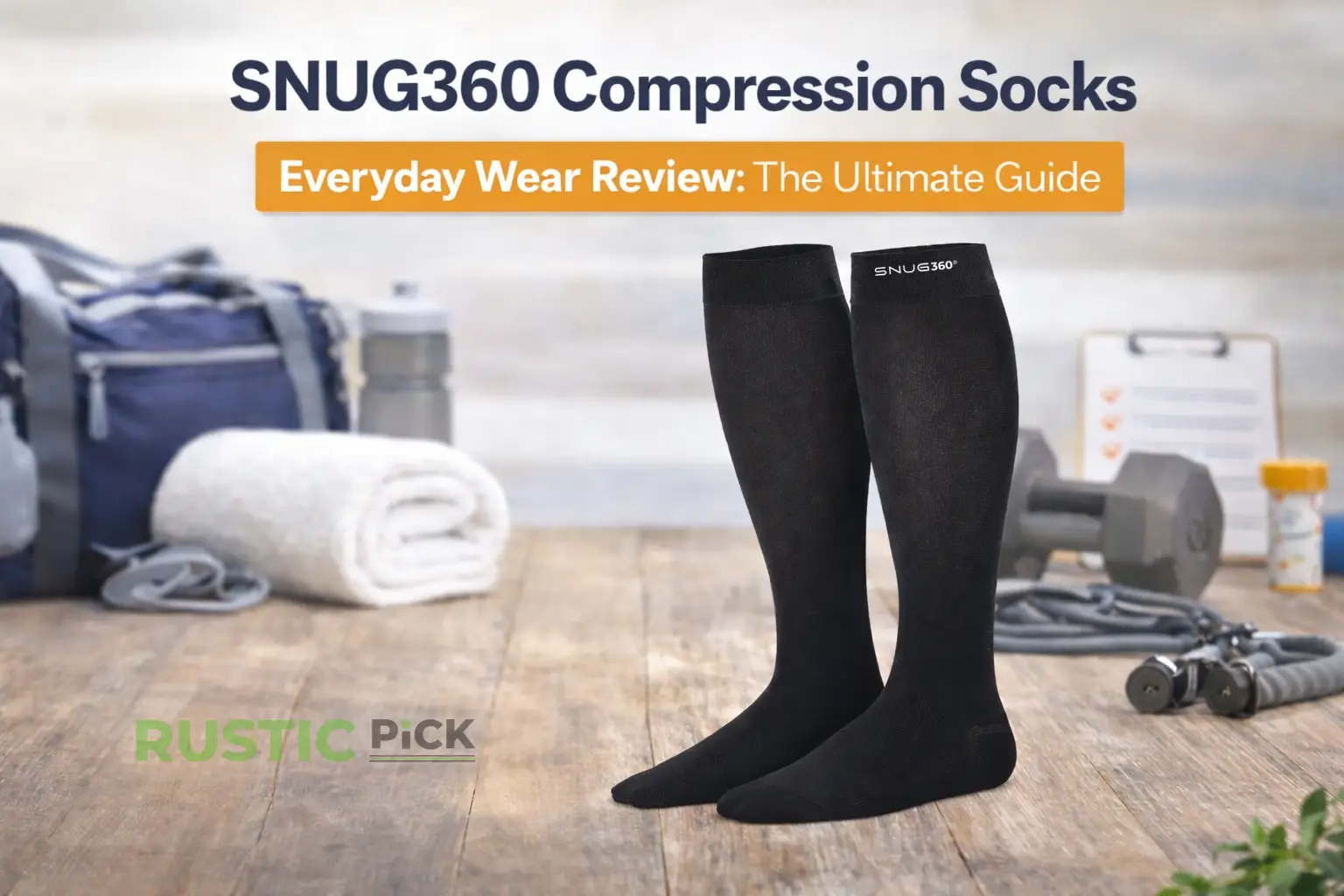
SNUG360 Compression Socks represent the “sweet spot” between expensive medical-grade hosiery and ineffective drugstore “lifestyle” socks. By offering true graduated compression (20–30 mmHg) in a durable nylon-spandex blend, they are highly effective at managing edema, preventing DVT during travel, and reducing leg fatigue for shift workers. While they lack the soft, casual feel of cotton blends and require significant effort to put on, they are a superior functional tool for anyone prioritizing leg health over pure comfort. They are the “workhorse” of the compression market.
Context: Why “Everyday” Compression Matters
For decades, compression socks were viewed as exclusively “medical” devices—beige, rubbery, ugly garments prescribed for the elderly or post-surgical patients. However, the narrative has shifted. Today, compression is a vital tool for:
- The Frequent Flyer: Battling “Economy Class Syndrome” and DVT risk.
- The Modern Worker: Nurses, cashiers, and warehouse workers standing for 12 hours, or software developers sitting for 10.
- The Athlete: Seeking faster recovery and lactic acid flushing.
In this crowded market, SNUG360 has positioned itself as an orthopedic-focused brand that makes medical-grade efficacy accessible for daily wear. They don’t rely on celebrity endorsements or “magic mineral” infusions; they rely on the physics of blood flow.
This review explores whether their product stands up to the rigors of everyday life.
The Science of SNUG360: How It Works
To understand if these socks are worth your money, you must understand the mechanism they employ. SNUG360 socks are not just “tight socks.” They are engineered hydraulic pumps.
1. The Concept of Venous Return
Your heart pumps oxygenated blood down to your feet through arteries. This is easy; gravity helps. The hard part is getting that blood back up to the heart through the veins. Your veins have to fight gravity. They rely on tiny one-way valves and the squeezing of your calf muscles to push blood upward.
- The Problem: When you sit or stand still for too long, gravity wins. Blood pools in the ankles (edema), and the veins expand, causing the valves to leak (varicose veins).
2. True Graduated Compression
SNUG360 utilizes Graduated Compression. This is distinct from “Uniform Compression.”
- Uniform Compression: Squeezes the leg equally from ankle to knee. This is dangerous because it can act like a tourniquet, actually trapping blood in the foot.
- Graduated Compression (SNUG360): The pressure is engineered on a gradient.
- Ankle: 100% pressure (tightest).
- Calf: ~70% pressure.
- Below Knee: ~50% pressure.
- The Result: This pressure differential creates a funnel effect, physically forcing fluids upward toward the lower pressure areas.
3. The 20–30 mmHg Sweet Spot
Compression is measured in millimeters of mercury (mmHg).
- 8–15 mmHg: Mild. Good for casual comfort but does little for swelling.
- 15–20 mmHg: Moderate. Good for travel and prevention.
- 20–30 mmHg (SNUG360): Firm / Medical Class I. This is the therapeutic level required to actually reduce visible swelling, manage varicose veins, and prevent blood clots. SNUG360 sits firmly in this effective range.
Design & Fit Details
Materials & Construction
SNUG360 socks are typically crafted from a blend of Nylon and Spandex (Lycra).
- Feel: Unlike cotton socks which get soggy, or wool socks which can be hot, this synthetic blend is smooth, cool to the touch, and highly elastic. It feels like a thick, high-quality athletic base layer.
- Breathability: The knitting pattern is dense (to maintain compression), which means they are not as breathable as a thin bamboo sock. However, the moisture-wicking properties of nylon keep the feet relatively dry.
The “Stay-Up” Cuff
A major failure point of cheap compression socks is the top band. If it is too tight, it cuts off circulation at the knee. If it is too loose, the sock rolls down and becomes a tourniquet.
- SNUG360 Solution: They use a wide, non-binding top band. It distributes the pressure over a 1.5-inch area rather than a thin line. In testing, these socks stay up for a full 14-hour day without needing adjustment.
Anatomical Footbed
These are not tubes. They are knitted with a defined heel cup and a toe box.
- Why this matters: A “tube” style sock will bunch up at the front of the ankle, causing pinching and bruising. The SNUG360 heel pocket ensures the compression aligns perfectly with the ankle joint.
- Arch Support: The weave tightens around the mid-foot, providing a distinct feeling of lift. This is particularly beneficial for those with flat feet or Plantar Fasciitis.
Scenario 1: The Traveler (Airplanes & Road Trips)
The Challenge: Flying is the enemy of circulation. The cabin pressure is lower, the air is dry, and you are confined to a seat with your knees bent for hours. This is the perfect storm for Deep Vein Thrombosis (DVT)—a blood clot that can be fatal.
SNUG360 Performance:
- Donning: Putting these on in a cramped airplane bathroom is a nightmare. Pro Tip: Put them on at home before you leave for the airport.
- In-Flight: The sensation is one of “containment.” You don’t feel the usual throbbing or heaviness in the feet. The 20–30 mmHg pressure is strong enough to counteract the effects of gravity and cabin pressure.
- Post-Flight: This is the “aha!” moment. When you land after a 6-hour flight and take your shoes off, your feet are the same size as when you left. There is no “cankle” swelling. Your legs feel energized rather than dead.
- Verdict: Essential gear. Do not fly without them.
Scenario 2: The 9-to-5 (Nurses, Retail, Office)
The Challenge:
- Standing (Nurses/Retail): Gravity pulls blood down constantly. By 3 PM, shoes feel tight, and legs ache.
- Sitting (Office): The “kink in the hose.” Sitting cuts off flow at the groin and knees.
SNUG360 Performance:
- For Standing: The socks act as an exoskeleton for your veins. Users report a significant reduction in the “heavy leg” sensation. The arch support also helps reduce foot fatigue from standing on concrete floors.
- For Sitting: They prevent the “pins and needles” sensation. However, because the fabric is thicker than a dress sock, they can be warm in a heated office.
- Aesthetics: SNUG360 offers mostly neutral colors (Black, Beige, Nude, White). They look like opaque dress socks or tights. They are discreet enough to wear under suit trousers or scrubs, but they won’t win any fashion awards.
Scenario 3: Workouts & Active Recovery
The Challenge: Athletes use compression for two reasons: Performance (stabilization) and Recovery (flushing waste).
SNUG360 Performance:
- During Activity (Running/Hiking): The firm compression reduces muscle oscillation. When your foot hits the ground, your calf muscle vibrates. This vibration causes micro-tears and fatigue. SNUG360 holds the muscle tight, reducing this vibration. This is excellent for preventing Shin Splints.
- Drawback: Some runners find 20–30 mmHg too restrictive for high-intensity interval training (HIIT), feeling like it limits blood inflow during max exertion.
- Post-Activity (Recovery): This is where they excel. Wearing these for 2–3 hours after a marathon or heavy leg day helps flush lactic acid and metabolic waste. It significantly reduces Delayed Onset Muscle Soreness (DOMS) the next day.
Durability & Maintenance: The “Cost per Wear”
Compression socks are consumables. They rely on the elasticity of Spandex, which naturally degrades over time. However, SNUG360 is built better than most.
Lifespan
- Cheap Brands: Lose elasticity after 5–10 washes.
- SNUG360: With a rotation of 3 pairs, you can expect 6 to 9 months of effective medical compression. After that, they will still be socks, but the compression will drop from “Firm” to “Moderate.”
The “Snap” Test
How do you know when they are dead?
- New: Hard to pull on. Snaps back instantly when stretched.
- Old: Slides on easily like a normal sock.
- Rule: If it’s easy to put on, it’s time to replace it.
Washing Instructions (Critical)
You can ruin these socks in one wash if you aren’t careful.
- Machine Wash Cold: Hot water relaxes the fibers.
- Mesh Bag: Mandatory. If the nylon catches on a zipper or velcro from another item in the wash, it will run like a pair of pantyhose.
- NO Fabric Softener: Softeners coat the fibers in silicone, which destroys the moisture-wicking capability and weakens the elasticity.
- Air Dry: Never put them in the dryer. The heat cooks the Lycra, making it brittle. Lay them flat to dry.
Pros & Cons Comparison
| Feature | Pros (The Good) | Cons (The Bad) |
|---|---|---|
| Compression | True Medical Grade (20-30 mmHg): Actually moves fluid. Effective for edema and varicose veins. | Intensity: Can be overwhelming for beginners. Might feel “too tight” if you are used to normal socks. |
| Fit & Design | Anatomical: Heel cup and toe box prevent bunching. Wide top band prevents rolling. | Sizing: Unforgiving. You cannot guess. You must measure. |
| Usability | Stay-Up Power: They do not slide down the leg, even after 12 hours. | Donning: Difficult to put on. Requires hand strength and flexibility. Not ideal for severe arthritis sufferers. |
| Durability | High: Resistant to holes in the toe/heel. Elasticity lasts months. | Care: Requires specific washing (air dry, mesh bag). |
| Price | Value: Cheaper than prescription brands (Sigvaris/Jobst) but better than drugstore brands. | Cost: More expensive than standard socks ($20+ per pair). |
Alternatives & Market Analysis
Is SNUG360 the best choice for you? Let’s compare it to the market leaders.
1. SNUG360 vs. Copper Fit
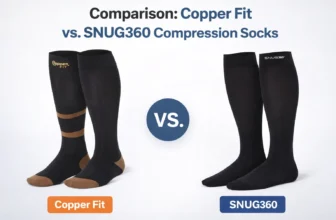
- Copper Fit: Focuses on “Lifestyle.” Lower compression (15-20 mmHg), softer fabric, easier to put on, copper infusion for odor.
- SNUG360: Focuses on “Medical.” Higher compression (20-30 mmHg), firmer fabric, harder to put on.
- Verdict: Buy Copper Fit for the gym and light comfort. Buy SNUG360 for swelling, travel, and standing all day.
2. SNUG360 vs. Sockwell
- Sockwell: Uses Merino Wool / Bamboo blends. They are prettier (patterns) and regulate temperature better naturally.
- SNUG360: Uses Nylon/Spandex. More durable, stronger compression, but more synthetic feeling.
- Verdict: Buy Sockwell if you have sweaty feet or want style. Buy SNUG360 for pure durability and compression strength.
3. SNUG360 vs. Sigvaris / Jobst
- Sigvaris/Jobst: The “Rolls Royce” of medical compression. Sold in pharmacies, often $60+ per pair. Custom sizing available.
- SNUG360: The “Toyota Camry.” Reliable, effective, gets the job done for $20-$25.
- Verdict: Unless you have a specific prescription for a custom fit, SNUG360 offers 90% of the performance for 30% of the price.
Sizing Guide: Do Not Guess
This is the most common reason for negative reviews. People buy their shoe size, get a sock that is too tight, and leave a 1-star review.
How to Measure:
- Time: Measure first thing in the morning when your legs are least swollen.
- Ankle: Measure the circumference of the narrowest part of the ankle (just above the bone).
- Calf: Measure the circumference of the widest part of the calf muscle.
- Length: Measure from the floor to the bend of the knee.
The “In-Between” Rule: If your ankle size puts you in a Small, but your calf size puts you in a Medium, buy the Medium.
- Why: You can always pull a slightly larger sock up, but a sock that is too small on the calf will act as a tourniquet and be dangerous.
How to Put Them On (The Heel Pocket Method)
If you try to pull these on like a gym sock, you will fail.
- Reach In: Put your hand inside the sock all the way to the heel.
- Pinch & Pull: Pinch the heel and pull the sock inside out, leaving only the foot area right-side out.
- The Foot: Slide your foot into the foot pocket. Ensure the heel is perfectly positioned.
- The Roll: Grasp the fabric and roll/slide it up over the ankle and calf. Do not yank by the top band. Smooth out wrinkles as you go.
Final Verdict
SNUG360 Compression Socks are a product that prioritizes function over form. They are not the softest socks you will ever touch, nor are they the easiest to put on. But they work.
If you are tired of coming home with swollen ankles, or if you are nervous about your upcoming 10-hour flight, these are a necessary investment. They provide the structural support your veins need to fight gravity.
Highly Recommended For:
- Nurses, Doctors, Chefs, Retail Workers.
- Pregnant women (check with OBGYN first).
- Travelers flying 4+ hours.
- Post-surgical recovery.
Not Recommended For:
- People with Peripheral Artery Disease (PAD) – compression can restrict arterial flow.
- Those with severe hand arthritis (too hard to put on).
- Sleeping (unless prescribed).
Frequently Asked Questions (FAQ)
Yes, but be aware of the material. Nylon/Spandex is moisture-wicking but not as breathable as cotton. In 90°F heat, they will feel warm. However, many users find the relief from swelling outweighs the warmth. Look for their “Open Toe” models if you want to wear them with sandals or improve airflow.
Yes. While they are primarily calf sleeves, the compression around the arch and mid-foot lifts the plantar fascia ligament, relieving tension. Many sufferers wear them specifically for the morning pain relief.
This is actually a sign they were working! The itching sensation often comes from the capillaries expanding as blood rushes back into the surface vessels after the compression is removed. It usually fades in 15 minutes. If you have a rash, however, you may be allergic to the silicone or spandex—discontinue use.
NEVER. Rolling the top of a compression sock creates a double-layer tight band. This acts as a tourniquet and can cut off circulation, causing severe damage. If the socks are too long, pull them all the way up and then smooth the excess fabric down evenly across the calf, or buy a “Petite” length if available.
Most SNUG360 products are latex-free, relying on Spandex/Elastane for stretch. However, always check the specific packaging if you have a severe allergy, as manufacturing processes can change.
If you wear them daily for work, you need at least 3 pairs.
- One on your feet.
- One in the wash.
- One in the drawer ready for tomorrow. Wearing the same pair two days in a row without washing is not recommended because the elastic needs the wash/dry cycle to “reset” its memory and snap back to the correct shape.