Verdict
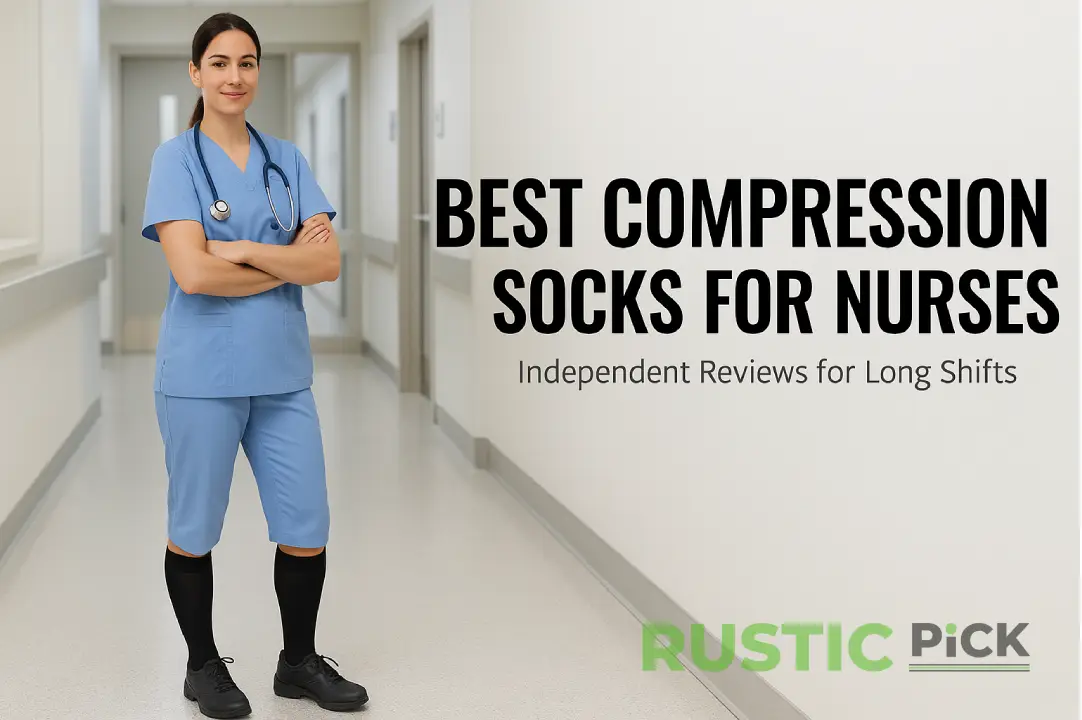
To the tire nurses working 12 agonizing hours, Sockwell (Merino Wool) reigns as the superior for temp regulation and sweat management, keeping “swamp foot” at bay (that’s the equivalent of marshmallow feet feeling you get in plastic clogs). That said for those after the softest feeling to the touch and simplest application, Wellow (Bamboo) is the best comfort choice. If medical-grade efficacy and swelling reduction are the priority over fashion, SNUG360 offers the best graduated pressure profile at a value price point.
Quick Picks: The “Shift Survival” List
If you are about to clock in and need a quick answer, here are the top performers by category:
- Best Overall (The Gold Standard): Sockwell Elevation – A merino wool/bamboo blend that excels at moisture-wicking and odor control, with a solid feel of support.
- Best Medical Value: SNUG360 Performance Socks – High-quality, verified graduated compression that combats severe edema without the “medical tax” markup.
- Softest & Easiest to Put On: Wellow – Made from bamboo viscose; incredibly stretchy and forgiving, perfect for nurses who struggle with the “wrestling match” of putting socks on.
- Best for Scrub Matching: Figs – High-quality synthetic blends designed to perfectly color-match your Figs scrub sets for a cohesive aesthetic.
- Most Durable / Tightest Fit: PRO Compression – Originally designed for marathon runners, these offer a tight, aggressive hug that lasts for years.
- Best Budget / Entry Level: Dr. Motion – Widely available at T.J. Maxx and pharmacies; offers mild compression (8-15 mmHg) for those just starting out.
Why Nurses Need Compression: The Science of the 12-Hour Shift
What makes compression mandatory for nurses is that we need to refer to the human body while standing upright. Nurses typically walk 4-5 miles per 12 hour shift, but they also stand still for extended periods of time during rounds, in the OR, or when charting.
The “Gravity Tax” on Your Circulatory System
Your heart pumps oxygen-rich blood to your legs effortlessly, helped by gravity. The trick is to get that blood back up to your heart and lungs against gravity.
- The Calf Muscle Pump: Normally, when you walk, your calf muscles contract and squeeze the deep veins, shooting blood upward like a pump.
- The Static Problem: When you stand still (scrubbed in for surgery or standing at a med cart), the pump stops. Gravity takes over. Blood pools in the lower extremities.
- Hydrostatic Pressure: As blood pools, the pressure inside the veins increases. This forces fluid out of the capillaries and into the surrounding tissue. This is why your shoes feel tight by 5:00 PM. That is edema.
The Long-Term Risks
It isn’t just about tired legs today; it’s about vascular health in 20 years. Chronic venous hypertension leads to:
- Varicose Veins: The vein walls stretch, and the one-way valves break, leading to bulging, ropy veins.
- Spider Veins: Smaller, cosmetic (but painful) broken capillaries.
- Deep Vein Thrombosis (DVT): Nurses have an increased risk for blood clots related to their prolonged standing.
Compression socks are like an external muscle. They exert graduated pressure which is tightest at the ankle and gradually loosens up the calf to mechanically push the blood upwards, preventing blood from pooling before it gets a chance to.
Compression Levels & Comfort Factors
Before buying, you must understand the “specs” of your socks. Not all tight socks are compression socks.
1. The Pressure Ratings (mmHg)
Compression is measured in millimeters of mercury.
- 8-15 mmHg (Mild): Found in drugstores (like Dr. Motion). Good for casual wear or very minor fatigue.
- 15-20 mmHg (Standard / OTC): The Nurse Sweet Spot. This level provides significant relief and energy without feeling like a medical device. It is safe for almost everyone to wear without a prescription.
- 20-30 mmHg (Medical Class I): Recommended for nurses who already have varicose veins, are pregnant, or experience painful swelling. It feels much tighter and can be harder to put on.
- 30-40 mmHg (Medical Class II): Prescription strength. Do not wear these for work unless a doctor tells you to. They can be dangerous if fitted incorrectly.
2. Material Science
- Merino Wool (Sockwell, VIM & VIGR): The best for 12-hour shifts. Wool is thermoregulating (keeps you cool in summer, warm in AC) and naturally antimicrobial (stops odors).
- Bamboo Viscose (Wellow): Extremely soft, silky, and cool to the touch. Great for sensitive skin, though slightly less durable than nylon.
- Nylon/Spandex (Pro Compression, SNUG360): The “athletic” feel. Slick, durable, and provides the strongest snap-back compression. Can hold odors if not washed after every shift.
- Cotton (Bombas, VIM & VIGR): Familiar and cozy, but cotton holds moisture. If you have sweaty feet, cotton socks can feel damp by the end of the shift.
Brand-by-Brand Deep Dive Reviews
We have analyzed the top brands in the nursing community based on Comfort, Durability, Ease of Donning, and Efficacy.
1. Sockwell (The Natural Choice)
Best For: Nurses who wear Danskos/Clogs and battle sweaty feet.
Sockwell revolutionized the market by proving compression doesn’t have to be ugly beige nylon. They use a custom blend of Merino Wool and Bamboo Rayon.
- The Experience: The “Cashmerino” blend is soft, not scratchy. The key selling point is moisture management. If you wear plastic clogs (like Crocs or Danskos), your feet sweat. Sockwell pulls that moisture away, preventing blisters and fungal issues.
- Compression Quality: They offer “Firm” (20-30 mmHg) and “Moderate” (15-20 mmHg). The arch support is aggressive, which feels fantastic on plantar fasciitis.
- Durability: High. However, because they contain wool, they can develop “pilling” (fuzz balls) if you put them in the dryer. Always air dry.
2. Bombas (The Comfort King)
Best For: Nurses prioritizing comfort and philanthropy.
Bombas took their famous “honeycomb” arch support system and applied it to compression.
- The Experience: These feel less like a medical garment and more like a high-end hiking sock. They are significantly easier to put on than Pro Compression or Sockwell. The “Seamless Toe” is a major plus no ridge rubbing against your toes for 12 hours.
- The Feel: They use a cotton-heavy blend. This makes them feel substantial and cozy.
- The Downside: The compression feels slightly milder than verified medical brands. They are great for fatigue, but maybe not enough for severe swelling. Plus, they are expensive (though they donate a pair for every pair purchased).
3. SNUG360 (The Medical Specialist)
Best For: Serious swelling reduction and value.
While they may not have the massive marketing budget of Figs, SNUG360 is a favorite among orthopedic specialists.
- The Experience: This is a “no-nonsense” sock. It focuses entirely on the mechanics of graduated compression. The pressure profile is verified meaning it is actually tightest at the ankle. Many fashion brands fail this test.
- The Fit: They feature a wide, non-binding top band. A common complaint with cheaper socks is the “tourniquet effect” behind the knee. SNUG360 distributes that pressure evenly.
- Value: They are typically priced lower than the big fashion brands, making them a great option for stocking up your drawer.
4. Figs (The Aesthetic Choice)
Best For: The “Brand Loyal” nurse who wants a cohesive look.
Figs has built an ecosystem around medical apparel. Their socks are designed to complement their scrubs.
- The Experience: High style points. They offer medical-themed graphics (pills, hearts, EKG lines) and colors that match their scrub drops.
- Material: They use a high-quality synthetic nylon blend. It is slick and slides into shoes easily. The compression is generally 15-20 mmHg.
- The Downside: You are paying a “logo tax.” While they are good socks, you are paying a premium for the brand name. Some users find the fabric a bit thinner than Sockwell.
5. VIM & VIGR (The Fabric Variety)
Best For: Nurses who are picky about fabric texture.
VIM & VIGR is unique because they offer the same print in three different fabrics: Cotton, Nylon, and Merino Wool.
- The Experience: This allows you to choose your skin feel.
- Cotton: For those who want a traditional sock feel.
- Nylon: For a sleek, tight, athletic feel.
- Wool: For moisture control.
- Sizing: They offer excellent “Wide Calf” options, which is a massive relief for nurses with muscular calves who find standard socks cut off their circulation.
6. Comrad (The Daily Driver)
Best For: A balance of style and sustainability.
Comrad positions itself as a “wellness” brand. They use recycled cotton and silver-infused ions (to kill bacteria).
- The Experience: These are excellent “entry-level” socks. They are not as aggressively tight as Pro Compression, making them comfortable for the drive home as well.
- Design: They lean towards stripes and ombré patterns professional enough for the office, but fun enough for the ward.
- Durability: Very good. They hold their elasticity well after months of washing.
7. Wellow (The Sensory Friendly Option)
Best For: Nurses with sensory processing issues or wide calves.
Wellow is all about Bamboo Viscose.
- The Experience: If you hate the feeling of being “squeezed,” buy Wellow. They are unbelievably soft and stretchy. They are the easiest sock on this list to put on.
- The Trade-off: Because they are so soft and stretchy, the compression feels lighter. If you have severe edema, you might find them too gentle. But for general fatigue, they are like a hug for your legs.
- Fit: They are incredibly forgiving for larger calves.
8. PRO Compression (The Marathon Fit)
Best For: Nurses who want a tight, aggressive hold.
Originally designed for marathon runners, these socks are intense.
- The Experience: These are 20-30 mmHg and they mean it. They provide a very firm “exoskeleton” feel. Your legs will not swell, period.
- Durability: Indestructible. You can wash these hundreds of times and they won’t lose their snap.
- The Warning: They are hard to put on. If you have arthritis in your hands or limited flexibility, you will struggle to get these over your heel. They are long and narrow.
9. Dr. Woof Apparel & Cherokee (The Fun Prints)
Best For: Morale boosting and budget.
- Dr. Woof: An Australian brand that has taken over Instagram. They have the best prints in the game (dogs, syringes, coffee cups). They are fun, decent quality, and spark conversations with patients.
- Cherokee: The staple found in every uniform store. They are affordable and accessible. However, the compression is often inconsistent. They tend to slide down after 8 hours. Good for a backup pair, but not for your double shift.
10. Dr. Motion (The Budget Buy)
Best For: “Compression Lite.”
Found in T.J. Maxx, Marshalls, and pharmacies.
- The Experience: These are usually 8-15 mmHg. They are better than regular socks, but they lack the squeeze of the brands above.
- The Issue: The elastic tends to degrade quickly. After 10 washes, they often become just regular knee-high socks.
Comprehensive Comparison Table
| Brand | Best For | Material Focus | Compression Feel | Wide Calf Option? | Price Tier |
| Sockwell | Sweat/Odor Control | Merino Wool/Bamboo | Firm & Supportive | Yes | $$$ |
| SNUG360 | Swelling Reduction | Nylon/Spandex | Medical Grade | Yes | $$ |
| Bombas | All-Day Comfort | Cotton Blend | Medium/Soft | No | $$$ |
| Wellow | Easy On/Off | Bamboo Viscose | Light/Soft | Yes (Excellent) | $$$ |
| Figs | Style/Matching | Synthetic Blend | Medium | No | $$$ |
| PRO Compression | Maximum Support | Nylon | Very Tight | Yes | $$ |
| VIM & VIGR | Fabric Choice | Cotton/Nylon/Wool | True Graduated | Yes | $$$ |
| Comrad | Daily Wear | Recycled Cotton | Medium | Yes | $$ |
| Dr. Motion | Budget | Microfiber | Mild (Lite) | No | $ |
Performance on Long Shifts: The “12-Hour Stress Test”
We analyzed user feedback and product specs to simulate how these socks perform across a full shift timeline.
Hours 1-4: The Morning Rush (Med Pass)
- The Need: You need the sock to stay up while you are speed-walking.
- Winner: PRO Compression and SNUG360. Their top bands are robust and do not budge. Cheaper brands (Dr. Motion) may need a tug-up by hour 4.
Hours 4-8: The Mid-Shift (Procedures/Charting)
- The Need: Moisture control. Your feet are getting hot in your shoes.
- Winner: Sockwell. The wool actively pulls sweat off the skin. Synthetic socks (Figs, Pro Compression) can start to feel “swampy” if your feet sweat heavily.
Hours 8-12: The Home Stretch (Exhaustion)
- The Need: Preventing the “Tourniquet Effect.” As your legs naturally expand slightly, a bad sock will dig into the soft tissue behind the knee.
- Winner: Wellow and Bombas. Their softer, wider bands accommodate this expansion without cutting off circulation.
Post-Shift: The Removal
- The Need: Ease of removal.
- Winner: Wellow. Slides off like butter. PRO Compression often requires peeling them off inside out like a banana skin.
Pros & Cons of Wearing Compression
| Pros (The Benefits) | Cons (The Annoyances) |
| Energy Conservation: Legs feel significantly lighter and “fresher” at the end of the shift. | Donning Difficulty: Putting them on takes practice. It can be a workout before work. |
| Vein Protection: Prevents the development of spider veins and varicose veins. | The “Winter Itch”: Compression can dry out skin. You must moisturize after shifts. |
| DVT Prevention: Reduces the risk of clots during long periods of standing. | Heat: In the summer, wearing knee-high socks can feel stiflingly hot. |
| Plantar Fasciitis Relief: The arch compression helps stabilize the foot fascia. | Knee Irritation: If the sock is too long, it bunches behind the knee, causing pain. |
Final Verdict & Recommendations
- The “I run hot and sweat” Nurse: Buy Sockwell Elevation. The Merino wool is a game-changer for hygiene and temperature control.
- The “I have serious swelling” Nurse: Buy SNUG360 or PRO Compression. You need the higher stiffness of nylon to physically contain the edema.
- The “I hate tight things” Nurse: Buy Wellow. It is the gateway drug to compression. Soft, easy, and gentle.
- The “Fashion” Nurse: Buy Figs or Dr. Woof. Life is too short for boring socks, and if matching your scrubs makes you happy, it’s worth the money.
Frequently Asked Questions (FAQs)
Start with 15-20 mmHg. This is sufficient for 90% of nurses to prevent fatigue and spider veins. Increase only up to 20-30 mmHg in the presence of marked visible swelling (pitting edema), existing varicose veins or during pregnancy. 20-30 mmHg can feel restrictive if you’re not used to it.
Rule #1: Never use fabric softener. Softener coats the spandex fibers and destroys their elasticity.
Rule #2: Avoid the dryer. Heat kills the rubber.
Best Practice: Wash on a cold/delicate cycle in a mesh garment bag (so they don’t get eaten by the machine) and hang them to air dry. If you treat them well, a pair of Sockwells can last 2 years.
No. Compression socks are designed to fight gravity while you are upright. When you are lying horizontal in bed, your circulatory dynamics change. Wearing graduated compression while sleeping can actually restrict blood flow to the feet. Take them off, shower, moisturize, and let your legs breathe.
Do not try to force a standard sock on; it will act as a tourniquet. Look for brands that specifically offer “Wide Calf” sizing. Wellow, VIM & VIGR, and Sockwell all have dedicated wide-calf lines that accommodate up to 20-22 inch circumferences.
This is a very common phenomenon. It is usually caused by two things:
Solution: Apply a good lotion after your shift. Do not apply lotion before putting the socks on, as the grease can degrade the fibers and cause the socks to slide down.
Dry Skin: The fabric wicks moisture, which can dry out the skin.
Histamine Release: When you take the socks off, blood rushes back into the capillaries, which can trigger a mild histamine response (itching).
Use the “Heel Pocket” method:
Pro Tip: If your hands are dry/slippery, wear a pair of rubber exam gloves. The rubber gives you incredible grip to smooth out wrinkles without tearing the fabric.
- Put your hand inside the sock and grab the heel.
- Turn the sock inside out down to the heel.
- Slide your foot in and place your heel in the pocket.
- Smoothly pull the rest of the sock up the leg.