Verdict
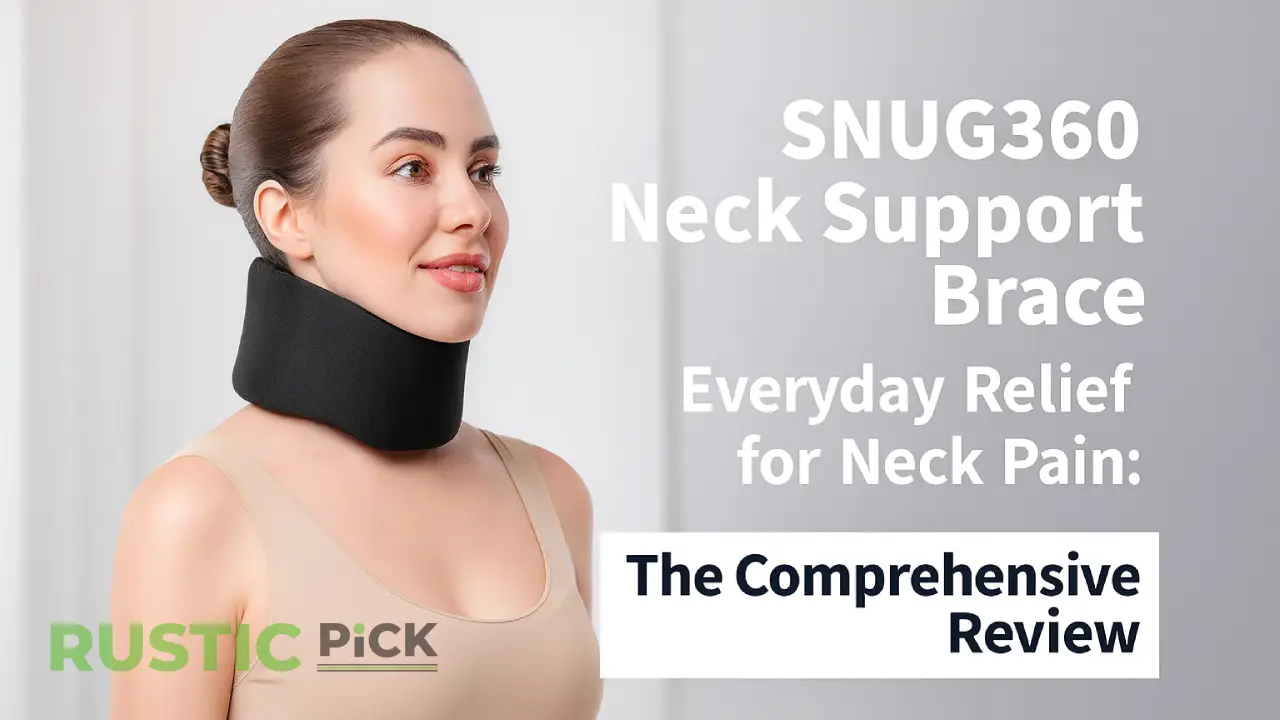
The SNUG360 neck support brace represents the gold standard in “soft” cervical support. It bridges the gap between rigid medical immobilization and basic comfort wear. By combining an anatomically contoured design with breathable, skin-friendly materials, it provides effective relief for “tech neck,” minor whiplash, and sleep-related stiffness. While it will not replace a rigid collar for severe trauma, it is an essential tool for the modern office worker or anyone suffering from chronic cervical fatigue.
Context: The Epidemic of “Tech Neck”
To understand why the SNUG360 brace is so valuable, we first need to understand the problem it addresses. A normal head weighs about 10 to 12 pounds. When your ears are in line with your shoulders, your skeleton can easily bear this weight.
But for every inch your head moves forward as you stare at a smartphone, hunch over a monitor or read in bed the weight pushing down on your cervical spine doubles. So much so that when you’re at a “comfortable” 45 degree angle, your neck is already straining against almost 50 pounds of pressure.
This condition, known as “Tech Neck” or Forward Head Posture, leads to:
- Chronic muscle spasms in the trapezius and levator scapulae.
- Cervical Radiculopathy (pinched nerves) causing numbness in the arms.
- Tension headaches radiating from the base of the skull.
The SNUG360 neck support brace is designed not just to support the neck, but to interrupt this cycle of strain by physically preventing poor posture.
Product Overview & Target Audience
The SNUG360 is classified as a Soft Cervical Collar. Unlike the rigid plastic braces (like the Philadelphia collar) used by paramedics for spinal fractures, soft collars are intended for symptom management and proprioceptive feedback.
Who is this for?
- The Desk Athlete: Office workers who find themselves hunching closer to the screen as the day progresses. This brace acts as a physical barrier to slouching.
- The “Wrong Pillow” Sleeper: Individuals who frequently wake up with “wry neck” (torticollis) because their head fell into an awkward position during deep sleep.
- The Whiplash Recovery Patient: People in the sub-acute phase of recovery (weeks 2–6) who need support when their muscles fatigue.
- The Elderly: Seniors with mild cervical spondylosis (arthritis) who need gentle support to reduce the sensation of a “heavy head.”
Design & Materials: The “SNUG” Difference
Many generic foam collars found in drugstores are essentially rectangular strips of foam. They are functional but uncomfortable. SNUG360 has engineered a product that addresses the three main complaints of collar users: Choking, Sweating, and Itching.
1. The Anatomical Contour (The “V” Dip)
The most critical design feature of the SNUG360 is the ergonomic dip in the front panel.
- Generic Collars: Straight edges often dig into the jawline or press against the trachea (windpipe), causing a choking sensation or difficulty swallowing.
- SNUG360 Design: The center of the brace dips slightly to accommodate the chin. This allows the jaw to rest comfortably on the foam rather than being pushed back by it. This small design choice significantly improves long-term wearability, allowing users to speak and drink water without removing the brace.
2. Foam Density and Core Structure
The core is made from a medium-density polyurethane foam.
- The Balance: It strikes a difficult balance. If the foam is too soft, it collapses under the weight of the head, rendering it useless. If it is too hard, it creates pressure points on the clavicle and jaw.
- Performance: SNUG360’s foam is resilient. It compresses slightly to mold to your shape but retains enough structural integrity to effectively offload the weight of the head from the neck muscles.
3. The Stockinette Cover (Breathability)
The neck is a high-heat zone. Synthetic materials can cause contact dermatitis (rashes) very quickly.
- Material: The outer cover is a cotton-blend stockinette. It is hypoallergenic and highly breathable.
- Texture: It feels similar to a soft t-shirt or a high-quality bandage. It wicks moisture away from the skin, which is crucial for preventing the “swampy” feeling that occurs with neoprene collars.
Comfort in Use: Real-World Scenarios
We analyzed how the SNUG360 performs in the specific scenarios where neck pain sufferers need it most.
Scenario 1: The 8-Hour Workday
- The Challenge: As fatigue sets in around 2:00 PM, the deep neck flexors give up, and the chin pokes forward.
- The SNUG360 Solution: Wearing the brace for 30–60 minute intervals while typing acts as a “posture reset.” You literally cannot slump your chin to your chest because the foam block is in the way. It forces you to keep your monitor at eye level.
- Observation: Users report that the brace serves as a mental cue. Even after taking it off, they remain more aware of their head position for the next hour.
Scenario 2: Sleeping and Napping
- The Challenge: Keeping the cervical spine neutral while unconscious.
- The SNUG360 Solution: This is perhaps the brace’s strongest use case. Because there are no hard plastic buckles or rigid stays, it is safe to sleep in. It acts like a 360-degree pillow.
- Benefit: For back sleepers, it prevents the head from flopping to the side. For side sleepers, it fills the gap between the shoulder and ear, ensuring the spine remains straight even if the pillow flattens out.
Scenario 3: Commuting and Travel
- The Challenge: Vibrations from cars and trains can aggravate an inflamed nerve. Furthermore, falling asleep on a plane usually results in severe neck pain upon landing.
- The SNUG360 Solution: While not a safety device (it won’t protect you in a crash), it provides stability against the micro-vibrations of the road. On flights, it is superior to U-shaped travel pillows because it supports the chin, preventing the head from dropping forward.
Pain Relief Effectiveness: How It Works
Does it actually stop the pain? The answer lies in Decompression and Thermal Therapy.
1. Muscular Offloading
The primary mechanism of relief is “offloading.” By placing the brace snugly between the collarbone and the jaw, you create a pillar of support. The brace takes on a portion of the head’s weight. This allows the overactive muscles (specifically the upper trapezius and sternocleidomastoid) to stop firing. When these muscles finally relax, the spasm cycle breaks, and blood flow returns to the area.
2. Thermal Retention
Unlike vented plastic braces, the foam collar acts as an insulator. It retains body heat around the cervical spine. This localized warmth keeps the muscles loose and pliable, much like a heating pad. For arthritis sufferers, this constant warmth is often just as effective as the support itself in reducing morning stiffness.
3. Proprioceptive Feedback
Pain often comes from bad habits. The brace limits range of motion—not fully, but enough to stop you from making sudden, sharp turns that might pinch a nerve. It creates a “safe zone” of movement, allowing injured tissue to heal without being re-aggravated by accidental jerking motions.
Durability, Hygiene & Maintenance
A neck brace is an intimate garment. It absorbs sweat, oils, and skin cells. Durability is not just about the foam lasting; it’s about the product remaining hygienic.
Washing Instructions
- Method: The SNUG360 is Hand Wash Only.
- Process: Submerge in a sink with cool water and a mild detergent (like baby shampoo or wool wash). Gently squeeze the foam to clean the interior. Do not twist or wring it, as this can tear the foam structure.
- Drying: Lay flat on a towel away from direct sunlight. Hanging it can cause the water weight to stretch the fabric cover.
- Frequency: For daily users, wash it once a week.
Longevity Expectations
- Velcro: The hook-and-loop closure is industrial grade. It will likely outlast the foam.
- Foam Life: With daily wear, all foam eventually compresses. Expect the SNUG360 to maintain optimal firmness for 6 to 9 months. After this, it will still be comfortable, but it may offer slightly less vertical support.
Sizing Guide: The Critical Step
The #1 reason for negative reviews on cervical collars is incorrect sizing. A collar that is too short does nothing; a collar that is too tall forces the head into extension (looking up), which causes more pain.
How to Measure for SNUG360:
- Circumference: Measure around your neck (like a shirt collar size).
- Height (Crucial): Look straight ahead in a mirror. Measure the vertical distance from the top of your collarbone (clavicle) to the bottom of your jawline.
- If you measure 3 inches: Get a brace with a 3-inch depth.
- If you are between sizes: It is usually better to size down. A slightly shorter brace is still supportive, but a too-tall brace is unwearable.
Pros & Cons Comparison Table
| Feature | Pros (The Good) | Cons (The Trade-offs) |
| Comfort | The anatomical chin contour prevents the “choking” feeling common in cheaper brands. | It can get warm. The foam acts as an insulator, which is great for muscles but sweaty in July. |
| Support | Provides excellent “reminder” support to correct posture and offload muscle weight. | It is not rigid. It will not immobilize the neck fully. If you have a fracture, this is not for you. |
| Sleep | Soft enough to wear in bed; prevents “wry neck” in the morning. | Can feel bulky if you are a stomach sleeper (not recommended for stomach sleepers). |
| Materials | Hypoallergenic cotton blend reduces itchiness and absorbs moisture. | The light color options (often beige or white) can show dirt/makeup quickly. |
| Adjustability | A large velcro landing zone allows for micro-adjustments in tightness. | Over-tightening is possible, which can restrict blood flow if the user isn’t careful. |
Alternatives & Market Position
The SNUG360 sits in the “Premium Soft” category. It is more expensive than the generic $8 foam strips found in bargain bins, but significantly cheaper than complex traction devices.
VS. Inflatable Traction Devices
- Inflatable Devices: These look like three stacked donuts and pump up with air. They are designed for active traction (stretching the spine).
- Comparison: Inflatables are for 15-minute therapy sessions. You cannot work or sleep in them. SNUG360 is for passive, long-term wear.
VS. Rigid Collars (Philadelphia/Miami J)
- Rigid Collars: Made of hard plastic with vinyl pads.
- Comparison: These are for immobilization after trauma or surgery. They are incredibly uncomfortable and cause muscle atrophy if used for simple neck pain. SNUG360 allows for micro-movements, keeping muscles engaged.
VS. Copper-Infused / Magnetic Collars
- Gimmick Collars: Many brands market “copper infusion” or magnets.
- Comparison: There is little clinical evidence that copper fabric heals pain. SNUG360 relies on mechanical support, which is a proven orthopedic principle.
Final Verdict
The SNUG360 neck support brace is a triumph of function over flash. It does not promise to miraculously cure arthritis or fix a herniated disc overnight. Instead, it offers something more practical: rest.
When you rest the weight of your head, it allows your busy neck muscles to cease their activity, relax and recover. For the office worker fighting the 3 P.M. slump, the traveler trying to snooze on a plane or the person convalescing from a minor injury, it’s a must-have item.
Recommendation:
- Buy It If: You have muscle tension, posture fatigue, or need support while sleeping.
- Skip It If: You need rigid immobilization for a fracture or if you are looking for a device to actively stretch (traction) your neck.
Frequently Asked Questions (FAQs)
This is a common myth. If you wear a rigid brace non-stop for a number of weeks, yes, you can get atrophy. However, if you wear a soft brace such as the SNUG360 for short periods of time (e.g. 2 hours on, 2 hours off) or only for activities such as sleeping or driving, you will not get enough atrophy to make a difference. It gives us support when our muscles are tired so we don’t have poor mechanics.
Yes, this is one of its best features. Unlike hard collars, the soft foam is comfortable against the pillow. It is particularly helpful for people who inadvertently sleep in positions that strain the neck. However, ensure it is not fastened too tightly to allow for easy breathing and circulation.
It should be “snug” (hence the name) but not choking. You should be able to slide two fingers comfortably between the brace and your neck. The goal is to fill the space between your jaw and collarbone, not to strangle the neck.
Many users get relief from pinched nerves because the brace restricts the specific movements of the head (such as tilting the head back and to the side) that cause the nerve root to become pinched. The slight “lift” from the foam can open the neural foramen (nerve exits) just enough to get relief from symptoms.
You should be careful. The SNUG360 is soft and flexible, but it does limit the distance you can turn your head to look at your blind spots. It’s usually best to use it as a passenger or on rest breaks, rather than when you’re driving in heavy traffic.